
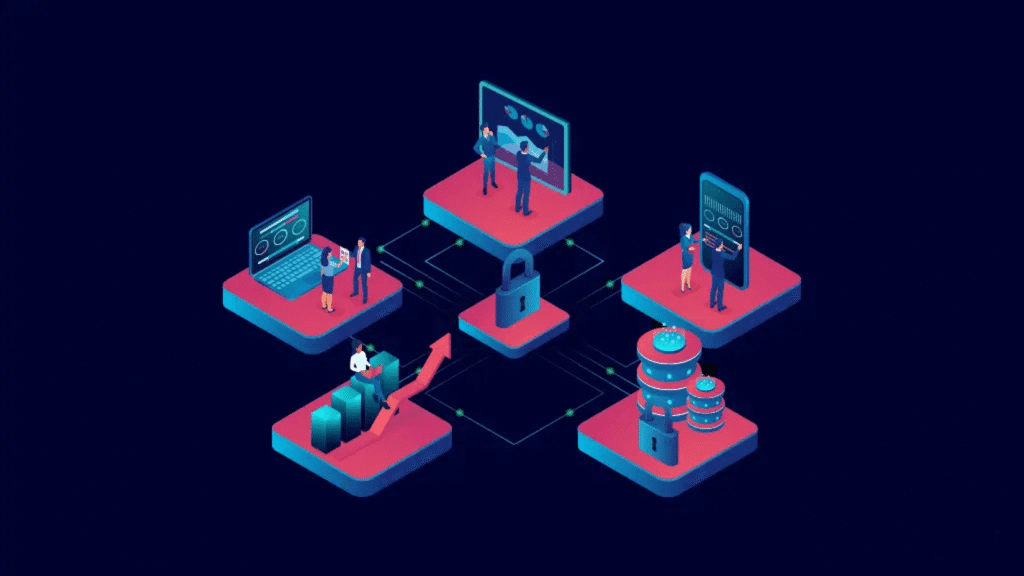
In 2022, organisations worldwide are shifting to remote work. Cybersecurity thus becomes more essential because remote working model is operated online. Everything is done over the Internet, cloud, and online applications.
‘Cyber threats follow the convenience of remote working in the new normal’.
Remote working is definitely advantageous to both employers and employees – be it more systematic work management, more precise and concise communications, faster work completion, less costs on office rental and transportation. Adversely, remote working opens up cyber vulnerabilities that could lead to more cyberattacks.
5 Cybersecurity Facts When Working Remotely.
Today, cyberattacks cost organisations more than 200 trillion dollars, and the number is rising. Only 20% have cybersecurity strong enough. These threats that follow the growth of digital world also affect security of remote work. This article will talk about risks your organisations could be exposed to when working remotely, and how to prevent them.
1. Higher chance of data leak with wider access.
The latest example is a scandal in which scammers posing as representatives of Shopee and Lazada call or message people about employment opportunities. The criminals send SMS or call, inviting people to fill in recruitment application form, or to click a link, in order to gain personal information.
How do these scammers obtain people’s phone numbers? How much is organisation’s image affected? This is an example of data breach leading to criminal activities.
Remote working exposes organisation to risks of data leak 24/7. Migrating your data online means we open opportunities for ‘anyone’ to access it. Data from leaks can be used for scamming and ransomware. The usual cause is organisations and its personnel being unaware of cybersecurity and data privacy as well as not having sufficient cybersecurity solutions and processes in place.
A security hole can come from uploading data and working via cloud and Edge without strict security configurations, coupled with unsorted confidential and non-confidential stored together and accidentally shared with external parties.
In addition, employees may use personal devices to work remotely – be it mobile phones, desktop PC, or laptops. They make the work more convenient. But, if one of them falls victim to cyber threats by clicking suspicious links, the entire system could be hacked.
2. Data and system captive instead of people.
Today’s randoms no longer hold people captive. Cybercriminals employ ransomware, a malware hacking and blocking access to data in your computers, including programmes, documents, photos, and videos.
Ransomware has become more sophisticated. Apart from blocking access, information could also be stolen for nefarious purposes. Ransomware demands ‘ransom’ payments, usually via cryptocurrency that is hard to track. There can also be other demands.
Causes for ransomware infection include
- E-mail malware: e-mail embedded with malicious links or files.
- Malvertising: ads link with malware injected.
- Website malware: malware embedded in content or cookie consent banners.
- Programme malware: free applications may have malware embedded.
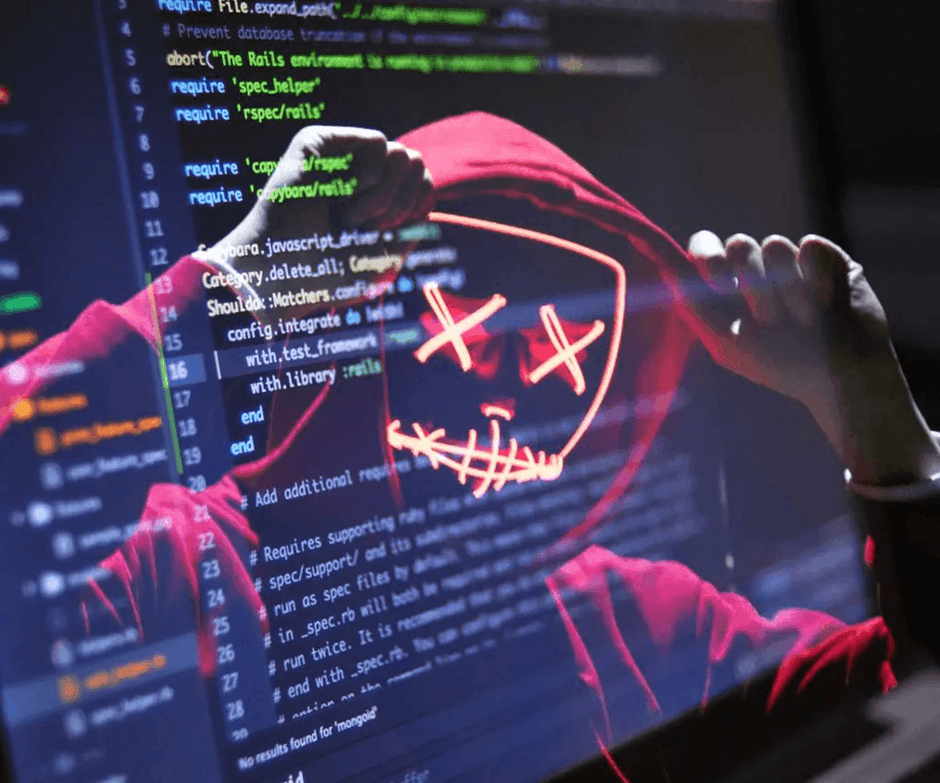
Every 11 seconds, an organisation falls victim to ransomware. Ransomware is predicted to be more widespread in the future regardless of organisation’s sizes. This results from careless remote workers opening doors to anyone wanting to breach the systems.
Thus, management, owners, and employees should have visions and measures on sufficient cybersecurity as well as knowledge on handling ransomware. Investing in cybersecurity might not bring about profits, but the prevention of possible damages will be worthwhile.
3. Theft in the new normal occurs via speedy 5G, targeting data not wallets.
In the world where 5G becomes widely available, access to data is sped up, including online theft. Users and hackers can easily connect to the Internet without security gateway or filtering software (partly contribute to speed). With lowered walls, cybercriminal activities are easier and faster.
There is another thing to consider. ‘Data is the new oil’, said Clive Humby, an experienced marketer from London. It speaks to the concept of how data becomes a new high-value asset. Organisations can use data to plan operations and create marketing strategies which respond to target groups. However, there is a dark side to using data. It can be stolen and sold 24/7.
In the new normal, we must be ready for data theft that’s becoming more common. What organisations and users can do is to keep yourself up to date on technology constantly, be careful with your devices, and learn about cybersecurity on both personal and organisational levels.
4. There are 2 sides to AI – protection and threats.
‘Every coin has 2 sides’ can be applied to artificial intelligence (AI). AI becomes smarter by collecting and analysing data so they can operate or display results on their own. AI is everywhere – smart devices, gadgets, robots, applications, or even on social media.
AI collects our data constantly through social media platforms such as Facebook, Instagram, Google, and websites. If cybercriminals misuse AI, making them access personal information, photos, videos, and behavioural data. They can use data – faces, fingerprints, voices, personal information, passwords, and behavioural patterns – to impersonate you. This makes AI a frightening threat.
On the other hand, we can use AI to develop cybersecurity solutions to safeguard against cyberattacks, increasing security of personal and organisational information.
5. Organisations must acknowledge importance of strong cybersecurity.
The above reasons emphasise how important cybersecurity is. Demand on cybersecurity experts has risen. People or organisations with expertise on its concept and applications are highly sought-after.
Acknowledging and learning about security help minimise damages from possible cyber threats. You can implement security systems by adjusting organisational structures, controlling data access, incorporating AI, sorting data, and using secure applications. For organisations transforming and working remotely, cybersecurity consultants can quickly help you overcome digital challenges.
Summary
Various types of cyberattacks constantly occur. They will get more intense in coming years as the world becomes more digitised with metaverse, DeFi, blockchain, cloud, and remote work. Expect cyber threats to grow.
Despite increased awareness of cybersecurity and Personal Data Protection Act (PDPA), you and your organisations are still at risk. No one can share costs of damages from cyberattacks.
On organisational level, cybersecurity has still been overlooked. Decision-makers think it is an unyielding investment and inapplicable. We hope this article helps create awareness that cyber threats are not a distant matter. Repairing damages cost you much higher than prevention.
You do not need to wait. Organisations should be prepared for cyber threats. Implement strong cybersecurity solutions so that you can continue remote work with security, efficiency, and less worry.